Category Archives: World News

Reminder: Turn Your Clocks Back


fallback

Just a friendly reminder! Tomorrow Sunday, November 1 (at 2:00 a.m. EST) is the day that we bid adieu to Daylight Savings Time.  Turn your clock back an hour before you go to bed tonight!

It’s time to reap all of the dwindling daylight hours that we can.  Why not use the extra hour where you know you’ll enjoy it—cuddled up and cozy in bed? (And after all those Halloween festivities, you’ve certainly earned it.) Could anything feel more, well, timely?

What do you plan on doing with your extra hour? Tell us below!

Free Admission to Museums, Art Galleries & More!


On a budget but still want a healthy dose of culture? The San Francisco Bay Area has a big and broad collection of top-notch museums, and nearly all of them can be visited for free!  Below is a current list of all San Francisco Bay Area museums, art galleries and public gardens along with their free-admission days.

Before you go on a free day: Be prepared for crowds. Because of capacity limitations, admission is not guaranteed, so it’s best to arrive early. If you’re planning a group visit, check with the museum first; some museums limit or prohibit group visits on their free days. We HIGHLY recommend calling ahead to make sure the facility is still open for free admission day listed below since some policies do change without notice.

Asian Art Museum
Free – first Sunday of every month.
Autodesk Gallery
Free – always.
Bay Area Discovery Museum – Sausalito
Free – first Wednesday of every month.

bedford

Bedford Gallery
Free – first Tuesday of every month
Berkeley Art Museum & Pacific Film Archive
Free – closed until 2016 for relocation
Cable Car Museum
Free – always.
California Academy of Sciences
Free – check calendar, SF resident days vary check calendar.
California Historical Society
Free – first Tuesday of the month.
Cantor Arts Center
Free – always.
Cartoon Art Museum
Pay What You Wish – first Tuesday of every month.

chabot

Chabot Space & Science Center
Free – first full weekend of every month for Bank of America Card Holders, $5 after 5pm select Fridays, see calendar.
Chinese Historical Society of America
Free – first Thursday of the month.
Clayton Historical Society & Museum
Always Free.


Conservatory of Flowers
Free – first Tuesday of the month.
Contemporary Jewish Museum
Free for ages 18 and under. Free the first Tuesday of every month, plus free the first full weekend of every month for Bank of American credit or debit cardholders.
Discover & Go
Free – always, Contra Costa Public Library card holders reserve free and discounted passes to local museums and cultural institutions.
Children’s Creativity Museum
Free – check calendar.
Chinese Historical Society of America
Free – always.
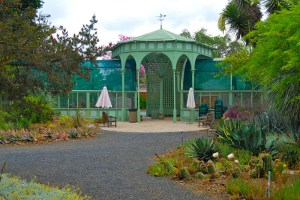
Conservatory of Flowers
Free – first Tuesday of every month.
Contemporary Jewish Museum
Free – first Tuesday of every month, check calendar, first full weekend of every month for Bank of America Card Holders.
$5 – after 5pm every Thursday.

deyoung

de Young
Free – first Tuesday of every month, first full weekend of every month for Bank of America Card Holders.
Exploratorium
Free – December 6, 2015.
Japanese Tea Garden San Francsico
Free – every Monday, Wednesday, Friday 9-10am.
John Muir Historical Site
Always free.
LACIS Museum of Lace and Textiles
Free – always.

legion
Legion of Honor
Free – first Tuesday of every month, first full weekend of every month for Bank of America Card Holders.
Lindsay Wildlife Museum
Free on special Fridays – Upcoming dates are Nov 20 & Dec 18!
Marin History Museum
Free – always.
Musee Mecanique
Free – always.
Museo ItaloAmericano
Free – always.
Museum of the African Diaspora
Free – check calendar.
Museum of American Heritage
Free – always.
Museum of Anthropology
Free – closed until 2016 for renovations.
Museum of Craft and Design
Free – first Tuesday of every month.
Museum of Performance and Design
Free – always.

OAK

Oakland Museum of California
Free – first Sunday of every month, ages 18 & under every Friday 5-9pm.
Half Price – every Friday 5-9pm.
Pez Museum
Free – First Thursday of the month.
Pittsburg Historical Society
Free – always.
Randall Museum
Free – closed for relocation.

ruth

Ruth Bancroft Gardens
Free first Tuesday of the month.
San Francisco Art Institute
Free – always.
San Francisco Botanical Garden
Free – every morning 7:30-9am, second Tuesday of every month, Thanksgiving, Christmas, New Years.
San Francisco Fire Department Museum
Free – always.
SF Camerawork
Free – always.
San Francisco Museum of Modern Art
Free – closed until 2016 for expansion.
SFO Museum
Free – always.
San Francisco Railway Museum
Free – always.

SF-Zoo
San Francisco Zoo
Free – check calendar (residents only).
San Jose Museum of Art
Free – check calendar, first full weekend of every month for Bank of America Card Holders. $5 – after 5pm third Thursday of every month.
San Jose Institute of Contemporary Art
Free – always.
San Mateo County History Museum
Free – first Friday of every month.
Sake Museum
Free – always.
Tech Museum of Innovation
Free – first full weekend of every month for Bank of America Card Holders
Half Price – last hour of every day.
Third Thursdays in Yerba Buena
Free – third Thursday of every month, 5-10pm, Yerba Buena museums and neighborhood venues.
University of Berkeley Botanical Gardens
Free – first Wednesday of the month.
Vallejo Navel & Historical Museum
Free – third Saturday of the month.
Wells Fargo History Museum
Free – always.
Yerba Buena Center for the Arts
Free – first Tuesday of every month.

Did you see one we missed? Tell us in the comments section below! What’s your favorite museum? Art gallery?

Disaster Preparedness – Are You Ready?


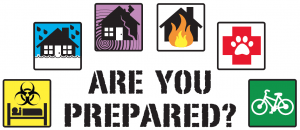
When you turn back the clock this weekend, take a few extra minutes to make sure that you and your family are better ready for the unexpected. By spending a few extra minutes now could make a huge difference in how you and your family handle a disaster or an emergency.

Are-You-Prepared

Prepare for winter by checking your smoke alarm batteries.

  • Install smoke alarms on every level of your home, inside bedrooms and outside sleeping areas.
  • Check monthly that smoke alarms are working properly by pushing the test button.
  • Replace batteries in smoke alarms at least once a year.
  • Replace smoke alarms every ten years.
  • Check your fire extinguisher and learn how to use it.

The Red Cross is asking every household in America to make it a point to practice fire drills at home.

  • Make sure all household members know two ways to escape from every room of your home, and set up a meeting place outside in case of fire.
  • Practice escaping from your home at least twice a year and at different times of the day.
  • Teach household members to stop, drop and roll if their clothing should catch on fire.

There’s many other things that you could do to prepare for whatever may come.

  • Updating the emergency contact information in your family communications plan.
  • Choose an out-of-area emergency contact that each person in your family can call if he/she becomes separated during a disaster situation.
  • Check your emergency preparedness kit for expired food items, restock anything missing such as food, water and batteries.
  • If there have been changes in prescriptions or dietary needs, add new foods and medications as needed to your emergency preparedness supplies.

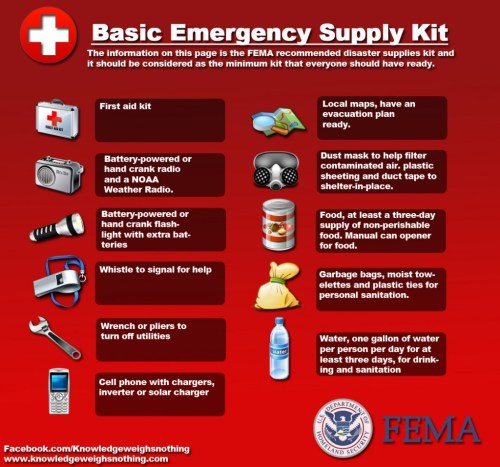
There’s a lot that we can learn from major disaster such as Hurricane Katrina. Food and water can be invaluable resource during a disaster. It’s recommend to keep at least a 10-day supply of non-perishable food items and water (one gallon per person per day).

emergency-preparedness

Organize a family night and spend time together creating a 72 hour emergency go bag. These bags include food, water, a flashlight, a battery-powered or crank radio, can opener, first aid kit, copies of important documents (like emergency contact lists), and special items such as medications, diapers, and infant formula. They can also include a change of clothes and some extra cash in small denominations. These bags can be kept near the front door to be grabbed at a moments notice or preloaded in the car and available to people where they happen to be.

By doing some of these few simple actions, you could help keep your family aware and prepared during an emergency or disaster.

For more information check out the Basic Emergency Supply Kit flyer and link below! 15 Emergency Preparedness Tips

emergencykit

Are you ready? Is there a tip or suggestion that we missed? Leave your comments below!

Daylight Savings Time Ahead – Fall Back


Fall-Back

This Sunday at 2 a.m. ET, November 1, daylight saving time ends.  At this moment, we set our clocks back an hour, and enter standard time. In the process, we gain an hour of sleep (fall back, spring forward).

Make sure you update your clocks before returning to work on Monday! Luckily, most phones will change automatically.

What do you think of daylight savings? Tell us below!

Trick or Treating & Halloween Safety Tips


Just another reminder! Halloween is an exciting time of year for kids, and to help ensure they have a safe holiday, here are some tips from the American Academy of Pediatrics (AAP).

ALL DRESSED UP:

  • Plan costumes that are bright and reflective. Make sure that shoes fit well and that costumes are short enough to prevent tripping, entanglement or contact with flame.
  • Consider adding reflective tape or striping to costumes and trick-or-treat bags for greater visibility.
  • Because masks can limit or block eyesight, consider non-toxic makeup and decorative hats as safer alternatives. Hats should fit properly to prevent them from sliding over eyes.
  • When shopping for costumes, wigs and accessories look for and purchase those with a label clearly indicating they are flame resistant.
  • If a sword, cane, or stick is a part of your child’s costume, make sure it is not sharp or too long. A child may be easily hurt by these accessories if he stumbles or trips.
  • Obtain flashlights with fresh batteries for all children and their escorts.
  • Do not use decorative contact lenses without an eye examination and a prescription from an eye care professional. While the packaging on decorative lenses will often make claims such as “one size fits all,” or “no need to see an eye specialist,” obtaining decorative contact lenses without a prescription is both dangerous and illegal. This can cause pain, inflammation, and serious eye disorders and infections, which may lead to permanent vision loss.
  • Teach children how to call 9-1-1 (or their local emergency number) if they have an emergency or become lost.

CARVING A NICHE:

  • Small children should never carve pumpkins. Children can draw a face with markers. Then parents can do the cutting.
  • Consider using a flashlight or glow stick instead of a candle to light your pumpkin. If you do use a candle, a votive candle is safest.
  • Candlelit pumpkins should be placed on a sturdy table, away from curtains and other flammable objects, and should never be left unattended.

HOME SAFE HOME:

  • To keep homes safe for visiting trick-or-treaters, parents should remove from the porch and front yard anything a child could trip over such as garden hoses, toys, bikes and lawn decorations.
  • Parents should check outdoor lights and replace burned-out bulbs.
  • Wet leaves or snow should be swept from sidewalks and steps.
  • Restrain pets so they do not inadvertently jump on or bite a trick-or-treater.

ON THE TRICK-OR-TREAT TRAIL:

  • A parent or responsible adult should always accompany young children on their neighborhood rounds.
  • If your older children are going alone, plan and review the route that is acceptable to you. Agree on a specific time when they should return home.
  • Only go to homes with a porch light on and never enter a home or car for a treat.
  • Because pedestrian injuries are the most common injuries to children on Halloween, remind Trick-or-Treaters.
  • Stay in a group and communicate where they will be going.
  •  Remember reflective tape for costumes and trick-or-treat bags.
  • Carry a cellphone for quick communication.
  • Remain on well-lit streets and always use the sidewalk.
  • If no sidewalk is available, walk at the far edge of the roadway facing traffic.
  • Never cut across yards or use alleys.
  • Only cross the street as a group in established crosswalks (as recognized by local custom). Never cross between parked cars or out driveways.
  • Don’t assume the right of way. Motorists may have trouble seeing Trick-or-Treaters. Just because one car stops, doesn’t mean others will!
  • Law enforcement authorities should be notified immediately of any suspicious or unlawful activity.

 HEALTHY HALLOWEEN:

  • A good meal prior to parties and trick-or-treating will discourage youngsters from filling up on Halloween treats.
  • Consider purchasing non-food treats for those who visit your home, such as coloring books or pens and pencils.
  • Wait until children are home to sort and check treats. Though tampering is rare, a responsible adult should closely examine all treats and throw away any spoiled, unwrapped or suspicious items.
  • Try to ration treats for the days following Halloween.

Have a happy and safe Halloween!

16 Money Savings Tips on Medications Plus Free Discount Card


Save-Moneyon-Rx

Medications can be expensive and unfortunately a lot people these days are going without. According to the Huffington Post, “Studies show roughly a quarter of patients don’t take medicines they need because they cannot afford them.” This is a startling statement considering if people are not taking the medications they need now, they will be in a world of hurt (and dealing with crazy expensive health insurance) down the road. So I have decided to track down the 16 best ways to save money on your prescription costs.

1. For starters, when a doctor is about to write a prescription, jump in with key questions:

  • Are free samples available?
  • Is the drug is generally covered by insurance plans?
  • Is there a cheaper drug that will work as well?
  • Is there a generic version?

2. Ask your doctor about pill-splitting:

Pill splitting is based on the fact that many pills cost about the same even if they contain twice as much medication. An 80 mg pill is often close in price to a pill with 40 mg of the same drug. Ask your doctor or pharmacist if your medication is safe for pill splitting. If so, ask your doctor to prescribe twice the dosage you really need, so you can split your pills in half.

Be aware, many pills are not safe to split, including time-released drugs, coated pills, and capsules. Make sure to ask your pharmacist whether it’s safe to split your pills.

3. Call all your local pharmacies and see who has the lowest prices on your medications. The money you saved maybe worth splitting up your prescriptions at two different pharmacies. If you take this route, it’s best to ask your doctor to write your prescriptions on different pieces of paper so you can get them filled individually.

4. Ask your pharmacist about in-store promotions to fill prescriptions. Sometimes stores will offer a gift card in return for filling prescriptions or a set amount off the price off the original price.

5. Check your memberships like AARP and AAA that offer prescription discounts to their members.

5. Prices at pharmacies are fluid and you can negotiate with your pharmacist. If one pharmacy has the best prices in town on all but one of the medications you’re taking, let the pharmacist know and see if she can give you a discount on that one drug. They want you as a patient and negotiating is a great way to build a relationship with them.

6. A patient assistance program may be able to help lower your out of pocket costs. You can look up patient assistance programs on the NeedyMeds web site, which provides information on almost 6,000 programs. They generally have income limits and other eligibility rules, but some are fairly generous.

7. Many pharmaceutical companies have programs that provide their drugs at deep discounts or even free for people in need. If you have a prescription for a high-cost drug, check out the company’s web site to see if they offer assistance.

8. Patient advocacy groups focused on one disease often can help patients or point them in the right direction to find discounts or savings on medications.

9. Many government-subsidized health clinics provide prescriptions for free or at a discount based on the patient’s income.

10. Several national discount stores, including Target, Kmart and Walmart, as well as large grocery chains, offer hundreds of widely used generic drugs for just $4 to $10 a month.

11. If you’re insured, don’t assume your prescription plan offers the best price. Some high-volume discounters, such as Costco, offer great deals for cash-paying customers, particularly on generic drugs.

12. HealthWarehouse holds costs down by getting volume discounts directly from manufacturers. It sells about 3,500 drugs for people as well as pets, including refrigerated medicines. On the third Friday of each month – it offers a free prescription worth up to $500 to new customers or patients submitting a new prescription.

13. Use Coupons! Flip through magazines or go online to find coupons for the drugs you’re taking. A couple good coupon sites are Optimizerx.com and InternetDrugCoupons.com. Manufacturers often will offer a free 30-day trial or a coupon for a discount on the purchase of the drug. Sometimes, your doctor or pharmacist will have coupons available.

14. Scores of discount cards are available online, generally for free. Most are good for a variety of medicines, including generic drugs.

I like this Community Assistance Program card that saves the card holder an average 15% on brand name medications, and 55% on generic medications. I used it and received 50% off my antibiotics! My friends and family have also used this card and received nice discounts on their medications too. This card requires no personal information and is accepted at over 80% of pharmacies in the US and its territories, including Puerto Rico. Anyone can use the CAP card, regardless of age or income. It can be used in conjunction with your insurance card or other prescription discount cards.

Simply print the card below and present to the pharmacists at the time of purchase. No registration required.

prescriptioncard

15. Once you’ve found the best deals for your medicines, don’t assume you’re set for good. If prices for your drugs rise down the road, do your homework again.

16. Maintain a healthy weight and lifestyle. As the saying goes, an ounce of prevention is worth a pound of cure. Diseases such as diabetes and high blood pressure, both of which are linked to obesity, require a lifelong commitment to prescription medications to manage them. By keeping fit and healthy, you may be able to minimize your risk of getting sick and reduce your medications all together. Remember the goal is a happy, healthy you not a lifetime consumer of medication.

Do you have any tip that we missed? Did we save you money? Did our tips work? Let us know by commenting in the box below! I’m sure there are tons of people who need this information so feel free to pass this on to friends and family!

Halloween & Trick or Treating Safety Tips


Halloween is an exciting time of year for kids, and to help ensure they have a safe holiday, here are some tips from the American Academy of Pediatrics (AAP).

ALL DRESSED UP:

  • Plan costumes that are bright and reflective. Make sure that shoes fit well and that costumes are short enough to prevent tripping, entanglement or contact with flame.
  • Consider adding reflective tape or striping to costumes and trick-or-treat bags for greater visibility.
  • Because masks can limit or block eyesight, consider non-toxic makeup and decorative hats as safer alternatives. Hats should fit properly to prevent them from sliding over eyes.
  • When shopping for costumes, wigs and accessories look for and purchase those with a label clearly indicating they are flame resistant.
  • If a sword, cane, or stick is a part of your child’s costume, make sure it is not sharp or too long. A child may be easily hurt by these accessories if he stumbles or trips.
  • Obtain flashlights with fresh batteries for all children and their escorts.
  • Do not use decorative contact lenses without an eye examination and a prescription from an eye care professional. While the packaging on decorative lenses will often make claims such as “one size fits all,” or “no need to see an eye specialist,” obtaining decorative contact lenses without a prescription is both dangerous and illegal. This can cause pain, inflammation, and serious eye disorders and infections, which may lead to permanent vision loss.
  • Teach children how to call 9-1-1 (or their local emergency number) if they have an emergency or become lost.

CARVING A NICHE:

  • Small children should never carve pumpkins. Children can draw a face with markers. Then parents can do the cutting.
  • Consider using a flashlight or glow stick instead of a candle to light your pumpkin. If you do use a candle, a votive candle is safest.
  • Candlelit pumpkins should be placed on a sturdy table, away from curtains and other flammable objects, and should never be left unattended.

HOME SAFE HOME:

  • To keep homes safe for visiting trick-or-treaters, parents should remove from the porch and front yard anything a child could trip over such as garden hoses, toys, bikes and lawn decorations.
  • Parents should check outdoor lights and replace burned-out bulbs.
  • Wet leaves or snow should be swept from sidewalks and steps.
  • Restrain pets so they do not inadvertently jump on or bite a trick-or-treater.

ON THE TRICK-OR-TREAT TRAIL:

  • A parent or responsible adult should always accompany young children on their neighborhood rounds.
  • If your older children are going alone, plan and review the route that is acceptable to you. Agree on a specific time when they should return home.
  • Only go to homes with a porch light on and never enter a home or car for a treat.
  • Because pedestrian injuries are the most common injuries to children on Halloween, remind Trick-or-Treaters.
  • Stay in a group and communicate where they will be going.
  •  Remember reflective tape for costumes and trick-or-treat bags.
  • Carry a cellphone for quick communication.
  • Remain on well-lit streets and always use the sidewalk.
  • If no sidewalk is available, walk at the far edge of the roadway facing traffic.
  • Never cut across yards or use alleys.
  • Only cross the street as a group in established crosswalks (as recognized by local custom). Never cross between parked cars or out driveways.
  • Don’t assume the right of way. Motorists may have trouble seeing Trick-or-Treaters. Just because one car stops, doesn’t mean others will!
  • Law enforcement authorities should be notified immediately of any suspicious or unlawful activity.

 HEALTHY HALLOWEEN:

  • A good meal prior to parties and trick-or-treating will discourage youngsters from filling up on Halloween treats.
  • Consider purchasing non-food treats for those who visit your home, such as coloring books or pens and pencils.
  • Wait until children are home to sort and check treats. Though tampering is rare, a responsible adult should closely examine all treats and throw away any spoiled, unwrapped or suspicious items.
  • Try to ration treats for the days following Halloween.

Have a happy and safe Halloween!